
Fitness and Sports
5 min read
Why Your Feet Feel Worse After Running And How to Fix It for Good
June 22 , 2026
By admin
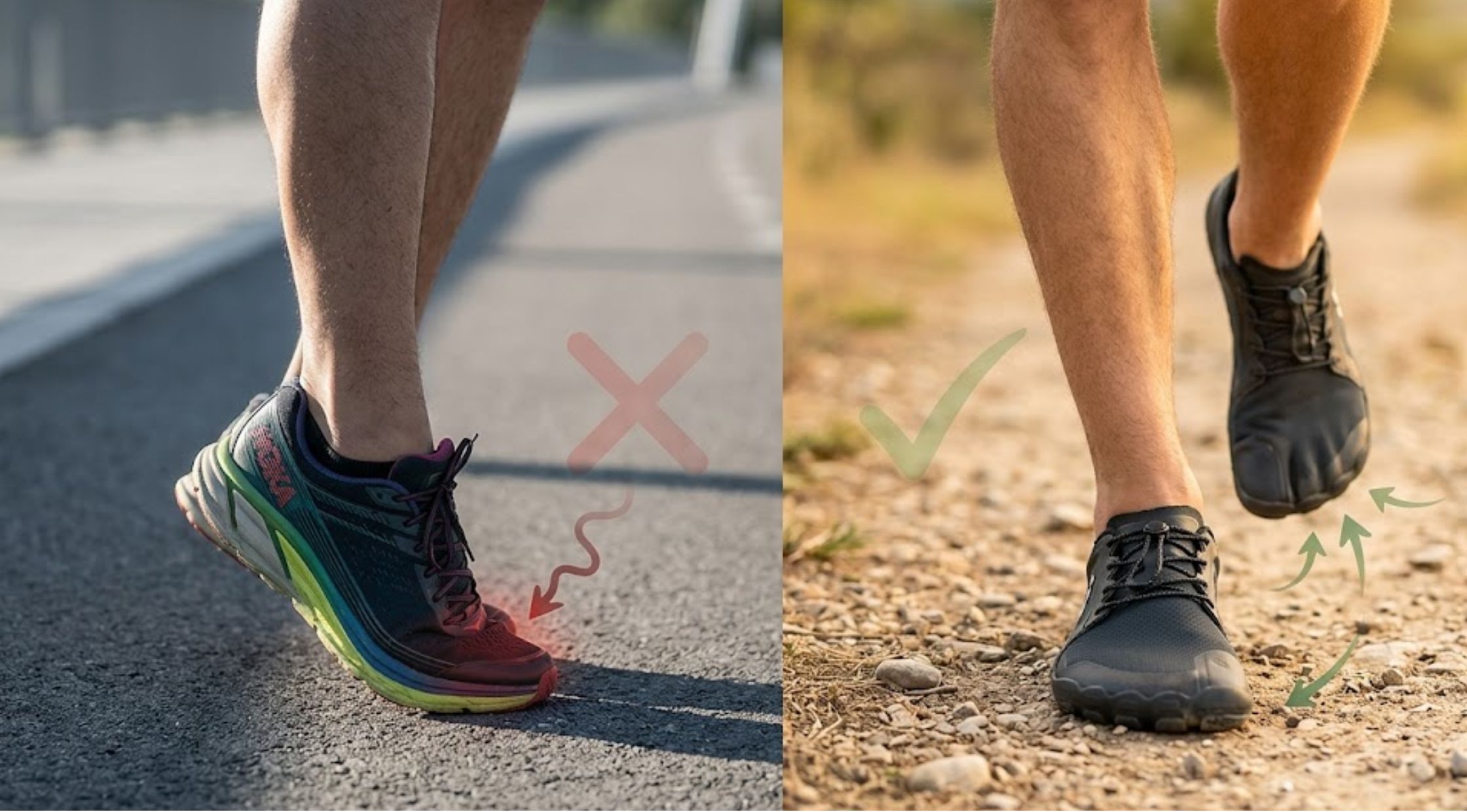
Running gave you more energy, improved fitness, and possibly even reduced stress.
Running gave you more energy, improved fitness, and possibly even reduced stress. But after each run, you're dealing with discomfort, tight toes, or persistent pain rather than feeling easier on your feet.
It eventually ceases to seem like growth and begins to feel like punishment. If it sounds familiar, your shoes may be the problem rather than your drive or level of fitness.
Many runners are now rethinking their footwear choices and exploring Natural Movement Shoes that allow the foot to function more naturally instead of being restricted by traditional design
.
Common Problems Runners Experience
Foot pain is not uncommon; in fact, among runners and other athletic people, it is one of the most frequent complaints.
1. Cramped, Tight Toes
The front of the majority of conventional running shoes narrows, compressing the toes. This may eventually cause pain, diminished equilibrium, and even alignment problems.
2. Back, Hip, Or Knee Strain
The effect travels upward when your feet are unable to move properly. Poor footwear can cause discomfort in other parts of the body, something that many runners are unaware of.
3. Absence Of A Sense Of Ground
Although they may initially feel cozy, highly cushioned soles make you less conscious of the ground underneath you. Stability and stride efficiency may be impacted by this.
4. Excessive Fatigue
Restrictive shoes can make your foot muscles operate inefficiently, which accelerates tiredness rather than increasing endurance.
People frequently search for barefoot running shoes as a more organic solution as a result of these problems.
Why These Problems Happen
Contemporary footwear is not often made for natural mobility, but rather for appearance and comfort.
Conventional shoes frequently have stiff bottoms, limited toe boxes, and raised heels. These features may make your foot more comfortable in the short term, but they may also interfere with its natural function.
There are more than 100 muscles, tendons, and ligaments in your foot, along with 26 bones and 33 joints. The body must compensate elsewhere when all of these components are limited, which frequently results in pain or strain.
The concept of Natural Movement Shoes becomes crucial at this point. They try to facilitate the natural movement of the foot rather than forcing it into a fixed position.
Practical Ways to Improve Comfort and Performance
There are a few doable things you can do to lessen discomfort and enhance your running experience before making the complete switch to new shoes.
1. Reduce Cushion Dependency Gradually
Go carefully if you're accustomed to shoes with a lot of cushioning. It takes time for your feet to adjust to new patterns of movement.
2. Make Your Feet Stronger
Flexibility and foot strength can be enhanced with easy workouts like calf raises, toe spreads, and balance training.
3. Be Aware of Toe Space
Your comfort and balance can be greatly improved by wearing shoes that let your toes spread freely. Wide Toe Box Shoes frequently stand out in this situation.
4. Pay Attention to Form, Not Just Length
You can increase efficiency and lessen impact by reducing your stride and resting more gently.
5. Pick Shoes That Help You, Not Hurt You
Look for shoes that support natural biomechanics rather than depending on substantial cushioning to cover up discomfort.
A Smarter Approach: Natural Movement Footwear
Interest in minimal footwear has increased dramatically as more runners seek out long-term comfort and improved biomechanics.
Xero Shoes is one company that frequently appears in this market. Their designs, which feature flexible soles, little construction, and foot-shaped patterns, are based on the concept of letting the foot move freely.
Many runners exploring Barefoot Running Shoes often discover that transitioning gradually into minimalist footwear helps them reconnect with natural movement patterns. The emphasis switches to strength, equilibrium, and awareness rather than artificial support.
People who desire a midway ground, less restriction than conventional sneakers but still adequate protection for everyday wear and running surfaces often choose Xero Shoes.
This method can feel like a paradigm shift for people who are trying to enhance their running efficiency or deal with persistent discomfort.
Benefits of Switching to a More Natural Design
Over time, making a deliberate change in footwear can result in observable changes.
Improved Toe Alignment
Natural toe spreading shoes can lessen pressure spots and increase stability.
Better Control and Balance
Your body responds better to changes in direction and uneven surfaces when your feet are free to move.
Improved Motion Efficiency
After switching to Natural Movement Shoes, many runners notice smoother stride patterns because their gait becomes less strained and more natural.
Decreased Prolonged Stress
Over time, you may lessen the strain on your knees, hips, and lower back by avoiding awkward foot posture.
Over Time, Stronger Feet
Your feet gradually grow more powerful and capable on their own, without the need for external padding.
Final Thoughts: Rethinking What “Good Shoes” Really Mean
Most individuals feel discomfort is a natural aspect of jogging and never examine their shoes. In actuality, though, discomfort frequently indicates an issue needs to change.
Exploring Wide Toe Box Shoes, minimalist designs, or Barefoot Running Shoes isn’t about following a trend; It's about realizing how your body is made to move.
Companies that prioritize natural function above artificial support, such as Xero Shoes, have contributed to raising awareness of this change.
Making the switch overnight is not the aim. It's to learn more about what your feet require and make more informed decisions that promote long-term comfort and functionality.
Because jogging no longer seems like a battle when your shoes work with your body rather than against it.
live smarter
Shop smarter, live better, and stay ahead of the trends with our reliable recommendations!
Health and beauty
5 min read
Looking for a Full Body Massage Chair? Here's How to Relieve Daily Stress and Muscle Tension at Home

trending
Home and Tech
7 min read
How to Choose Washable Sofas That Keep Your Home Stylish and Easy to Maintain
Lifestyle
7 min read
How Marathon Watches and a Stopwatch Can Help You Track Time More Effectively
Health and beauty
5 min read
Why You’re Still Waking Up Tired And How to Finally Stop Snoring for Good
Travel
6 min read
Looking for Lightweight Travel Organizers? Here's How to Stay Organized Without Adding Extra Bulk
N/A
1 min read
A New Weight Loss Journey with Noom
N/A
1 min read
Celebrate Lunar New Year With Your Pet
Fitness and Sports
9 min read